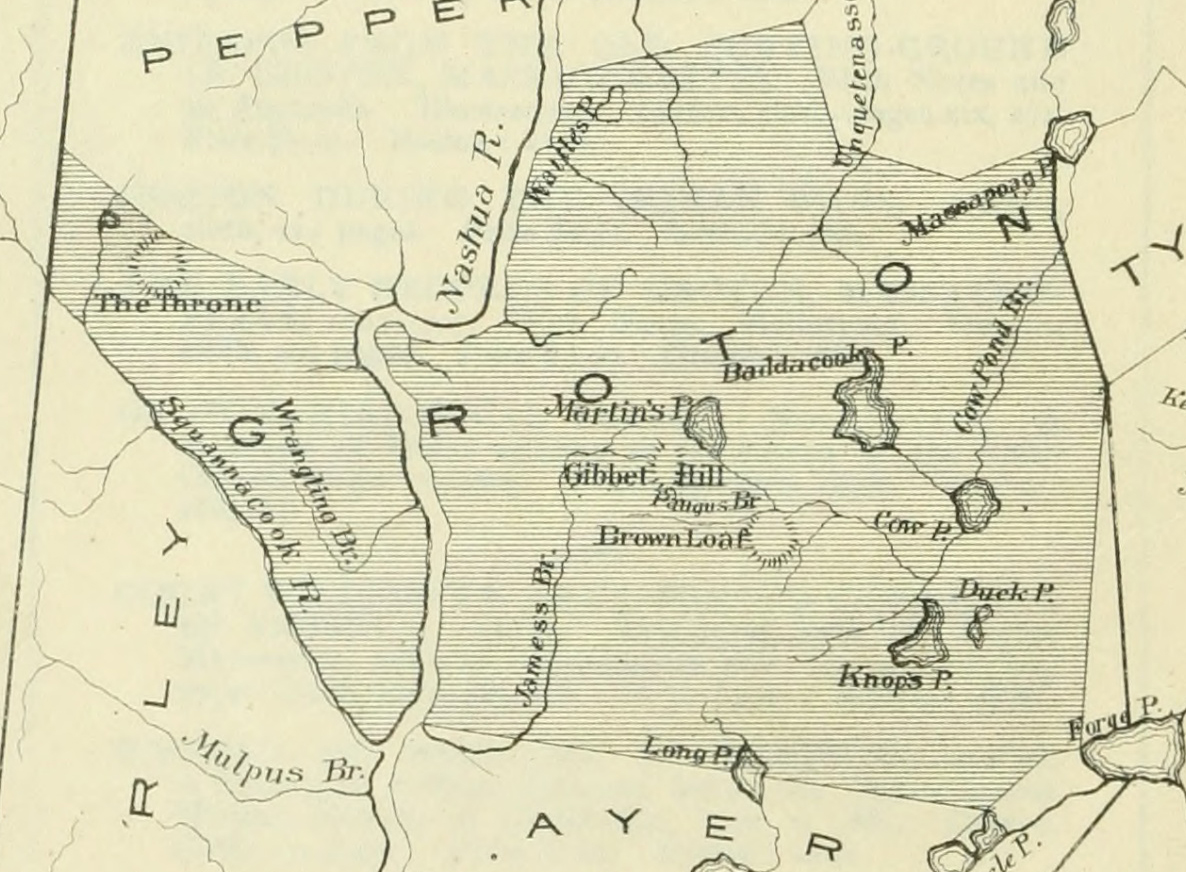
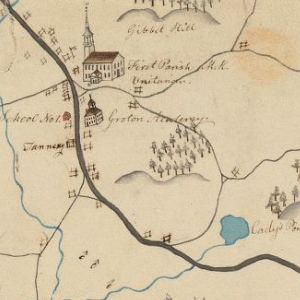
Groton, Massachusetts, incorporated in 1655, is one of the oldest inland towns in the Commonwealth and occupies an important place in the history of colonial New England. Originally settled within the homeland of the Nashaway and Nipmuc peoples, Groton developed as a frontier community whose residents endured repeated attacks during King Philip’s War in 1676 and subsequent conflicts on the northern frontier. The town later emerged as a significant center of Revolutionary-era activity, providing soldiers and leaders—including Colonel William Prescott, commander of American forces at the Battle of Bunker Hill—to the Patriot cause. Groton’s historic town center, educational institutions, and well-preserved landscapes continue to reflect more than three and a half centuries of New England history.
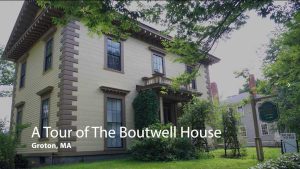
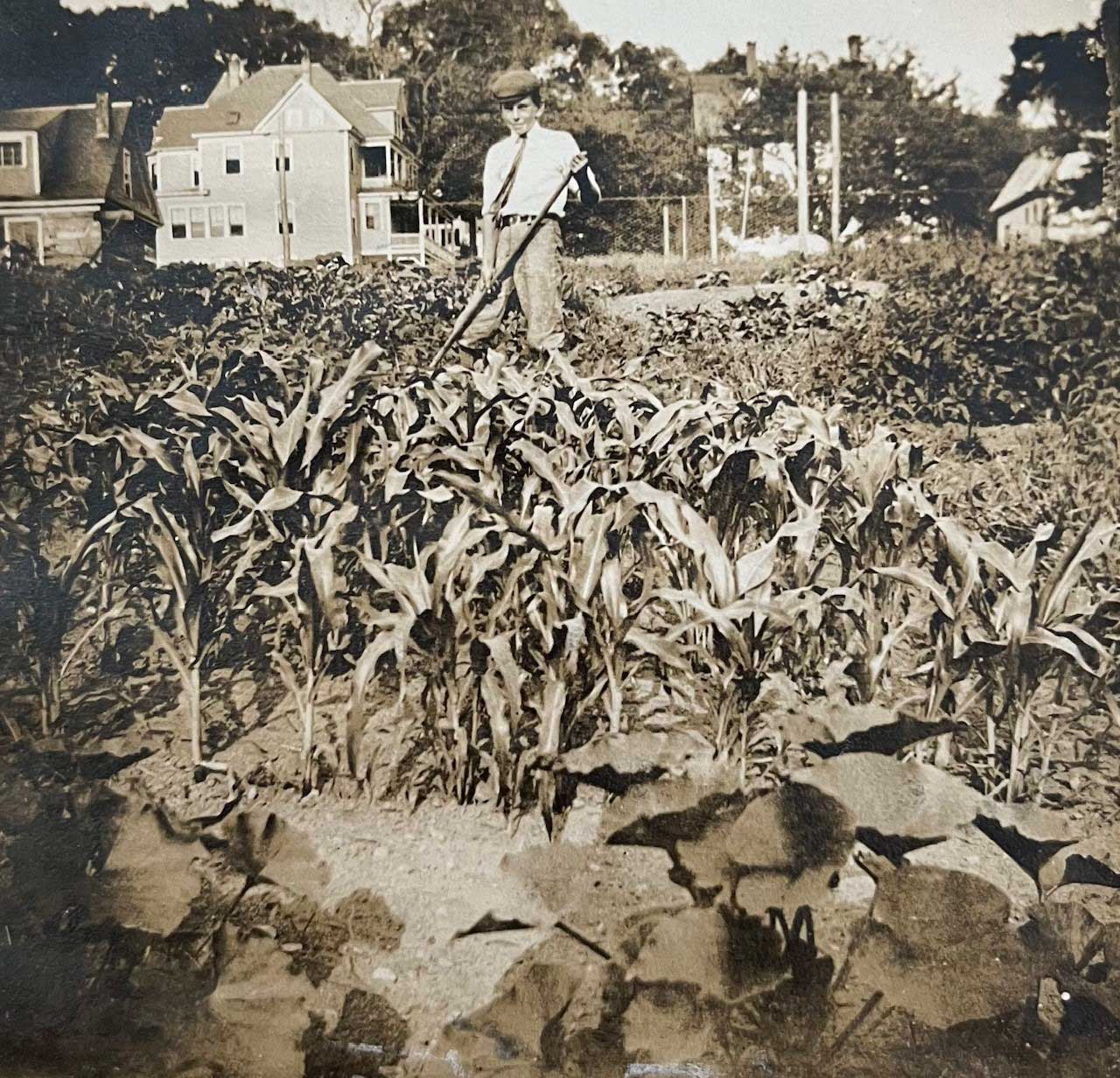
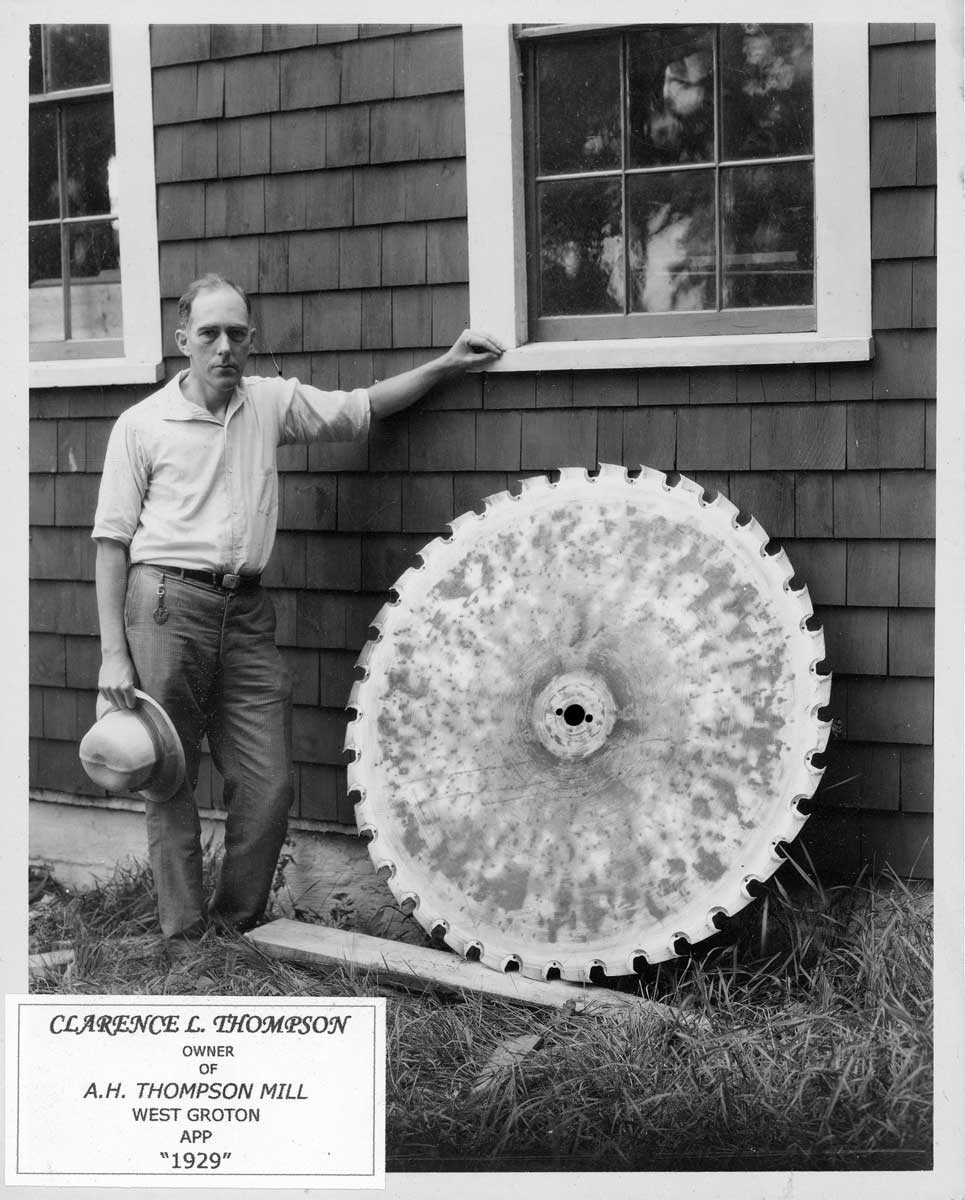
Agriculture played a central role in Groton’s development and prosperity. Fertile river valleys and open fields supported generations of farmers who produced crops, livestock, and, during the nineteenth century, a notable hop-growing industry. Agricultural activity fostered related industries including gristmills, sawmills, brickmaking, quarrying, and small-scale manufacturing, helping transform Groton into a regional economic center while preserving its rural character. The town has also been home to a number of distinguished residents, including statesman and Massachusetts governor George S. Boutwell, noted educator Endicott Peabody, and military leader William Prescott. Their contributions, together with Groton’s enduring agricultural heritage and historical significance, have made the town an influential part of Massachusetts history.
Native Lands and Colonial Beginnings (Pre-1655–1700)
Long before English settlement, the area now known as Groton was inhabited by the Nashaway people, part of the larger Nipmuc nation. The region’s rivers, forests, and fertile meadows supported agriculture, hunting, fishing, and trade, while the Nashua River served as an important transportation route through central New England.
English settlers established Groton in 1655 as one of Massachusetts’ frontier communities. During King Philip’s War in 1676, much of the town was destroyed and temporarily abandoned. Settlers later returned and rebuilt, laying the foundation for the community’s future growth and establishing a tradition of resilience that would shape Groton’s identity for generations.
Farms, Families, and Community Growth (1700–1820)
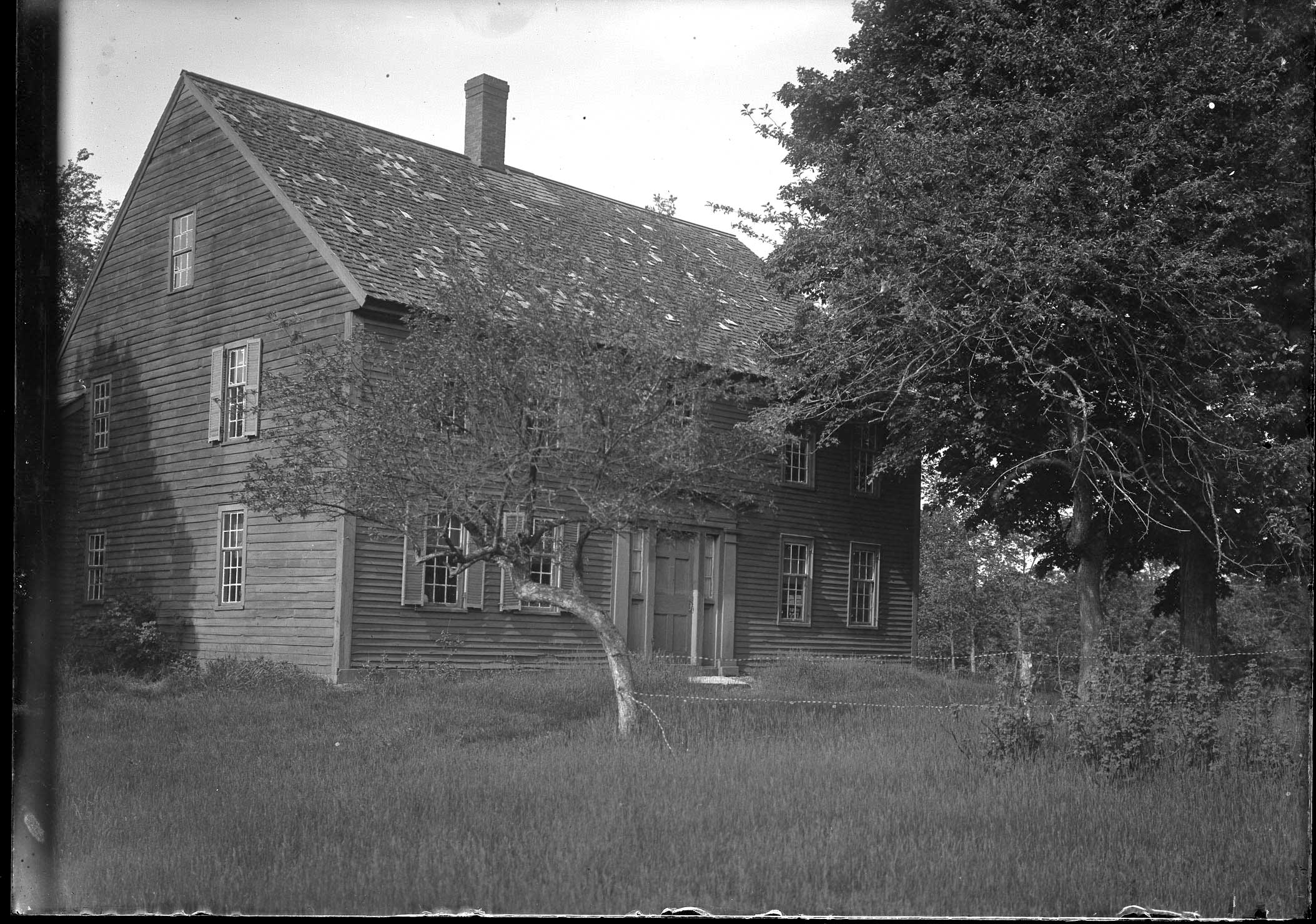
During the eighteenth century, agriculture became the foundation of Groton’s economy. Family farms produced crops, livestock, and goods for local markets, while mills and small businesses supported the needs of a growing population. Churches, schools, and town government emerged as important civic institutions that strengthened community life.
Groton also contributed to the American Revolution, supplying soldiers and leaders to the Patriot cause. Among the town’s most notable figures was Colonel William Prescott, who commanded American forces at the Battle of Bunker Hill. By the early nineteenth century, Groton had become a prosperous and well-established rural community.
Prosperity, Education, and Industry (1820–1900)
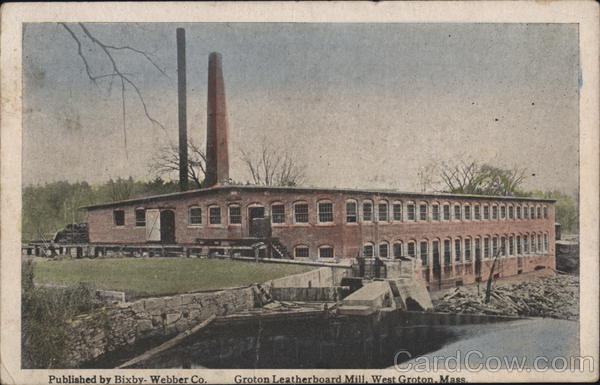
The nineteenth century brought economic expansion and increasing regional influence. Agriculture remained important, particularly through the cultivation of hops, while mills, brickmaking, and other small industries diversified the local economy. Improved transportation links connected Groton more closely to neighboring towns and markets.
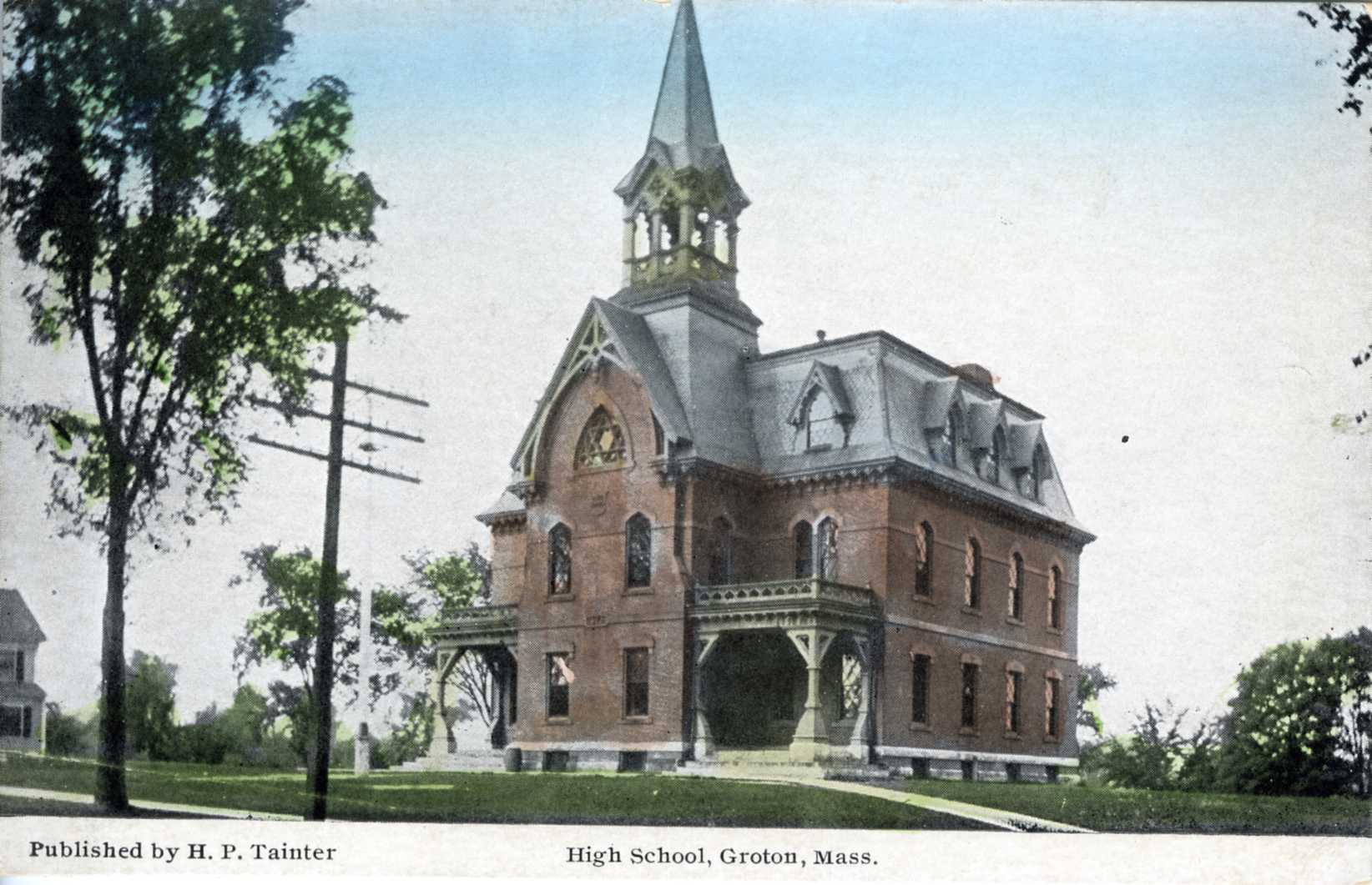
Education became a defining feature of the community. The growth of Lawrence Academy and the founding of Groton School established the town as a center of academic excellence. These institutions attracted students and educators from across the nation and helped shape Groton’s reputation far beyond Massachusetts.
A Changing Town in the Modern Era (1900–2000)
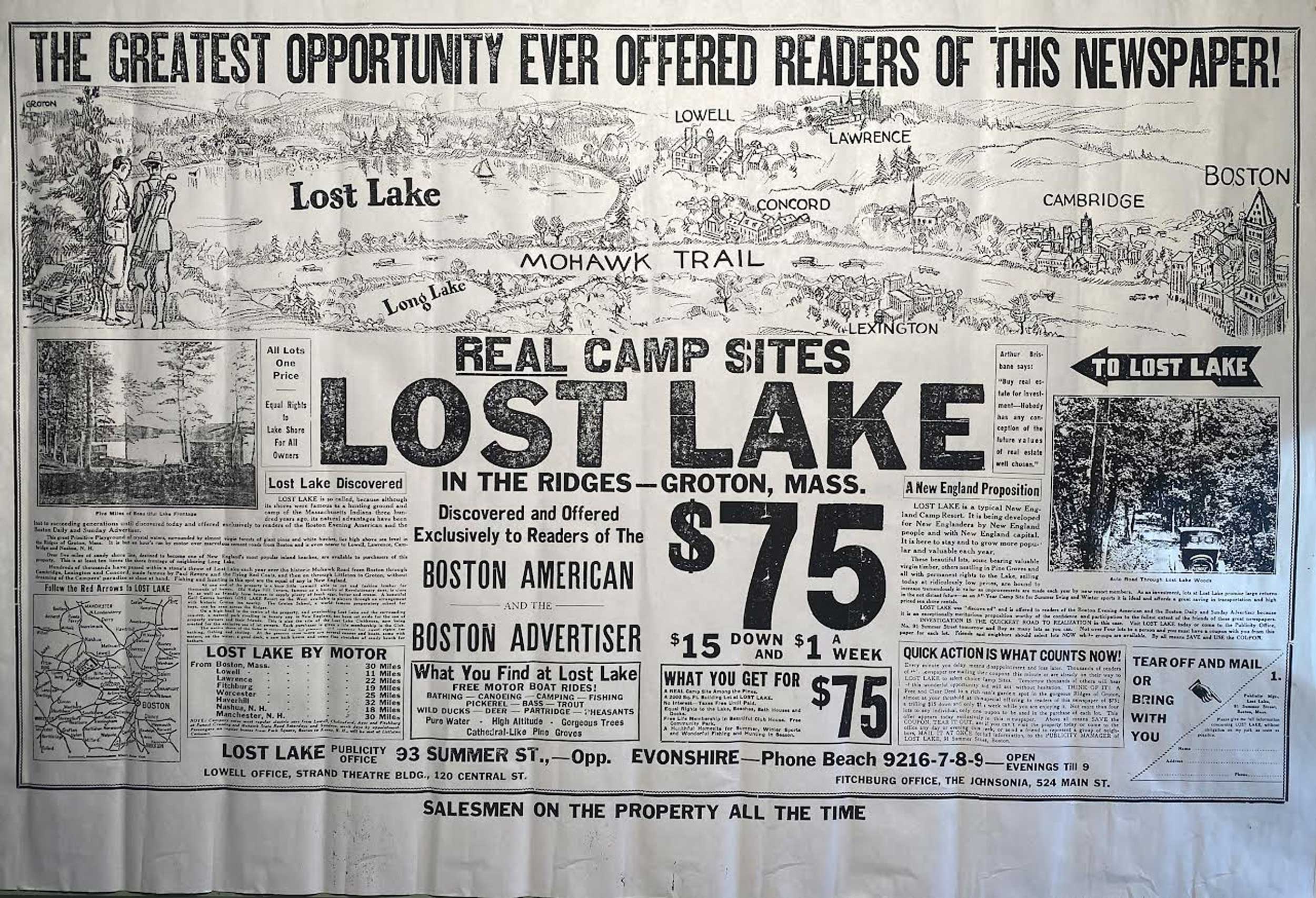
The twentieth century saw Groton evolve from a predominantly agricultural town into a modern residential community while retaining much of its rural character. Residents served in both World Wars, and advances in transportation and technology transformed daily life. Population growth brought new neighborhoods, businesses, and civic organizations.
At the same time, local leaders recognized the importance of preserving the town’s historic and natural resources. Conservation efforts protected farmland, forests, and waterways, helping maintain the distinctive landscape that had characterized Groton since colonial times.
Groton's Legacy and Future
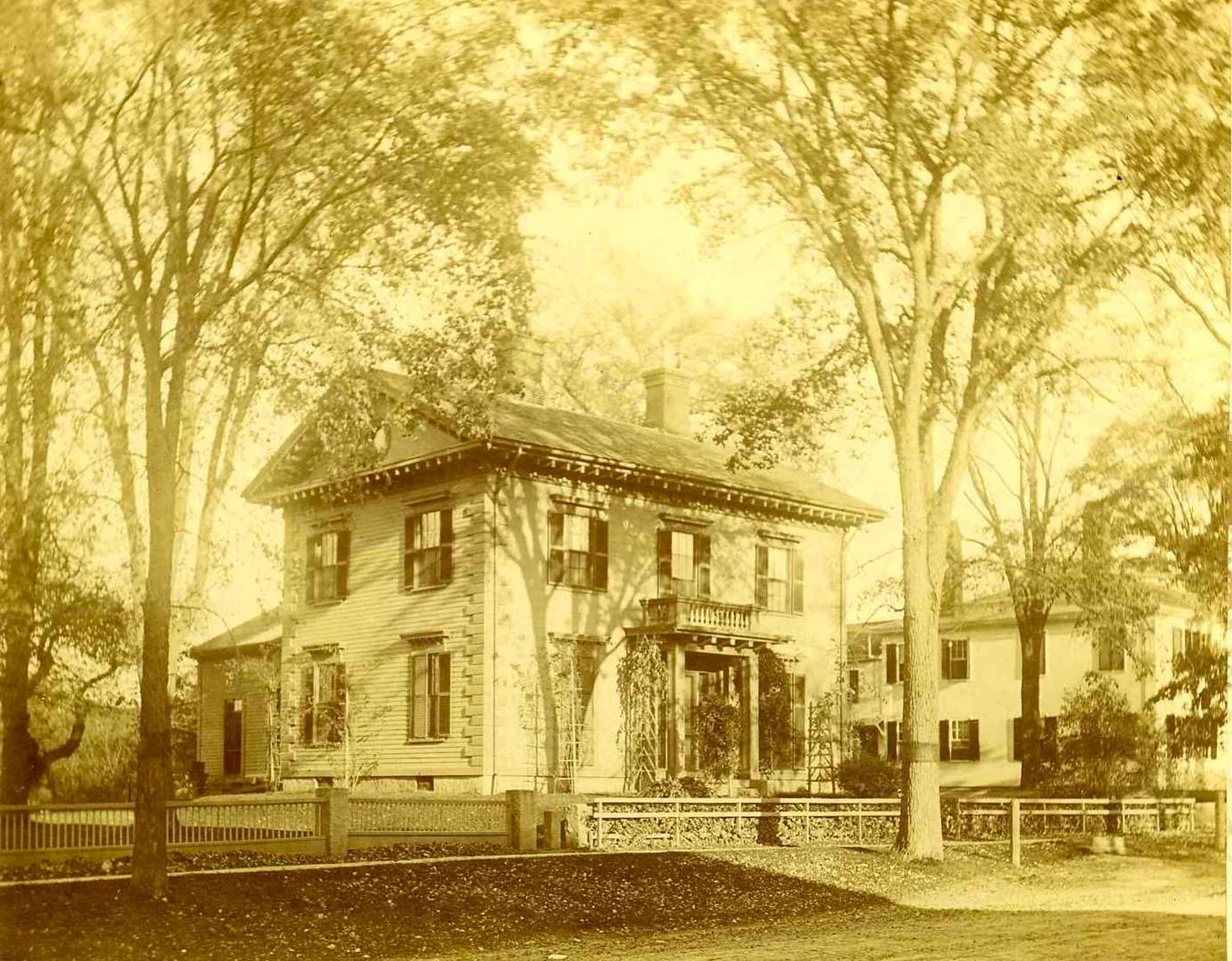
Today, Groton balances historic preservation with thoughtful growth. Its historic homes, town center, schools, and open spaces reflect more than three centuries of New England history. The town’s commitment to education, civic engagement, and conservation continues to shape community life.
Groton’s legacy is also reflected in the accomplishments of its residents, educators, and public servants. From colonial pioneers and Revolutionary War leaders to nationally influential educators and statesmen, generations of Groton residents have contributed to the cultural, political, and educational development of Massachusetts and the nation.