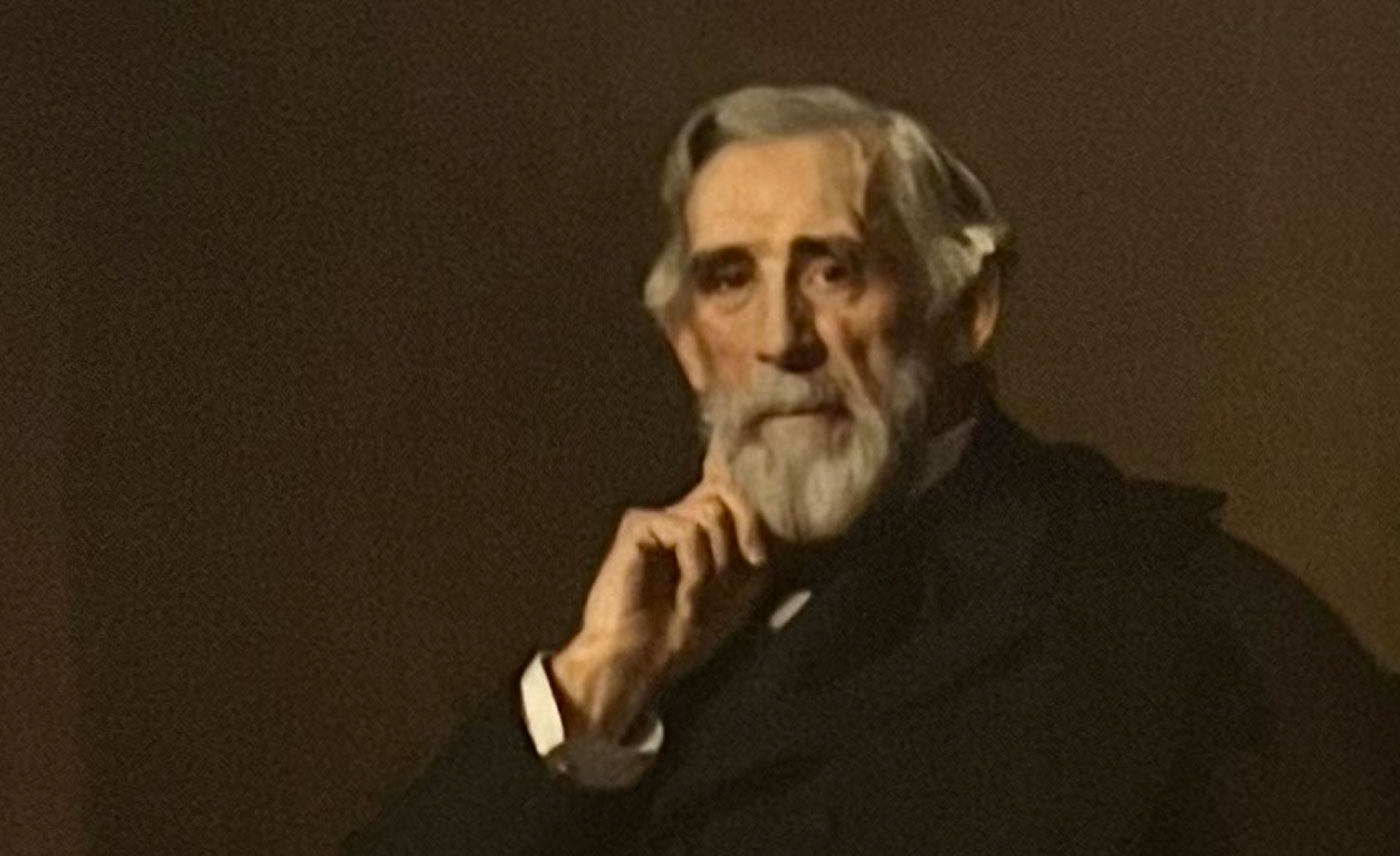
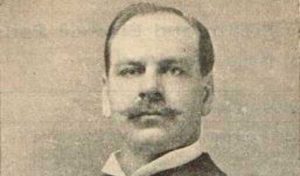
It was blustery cold in Boston on March 8, 1850, when Groton’s George Boutwell walked down the steps of the Massachusetts State House and into history.
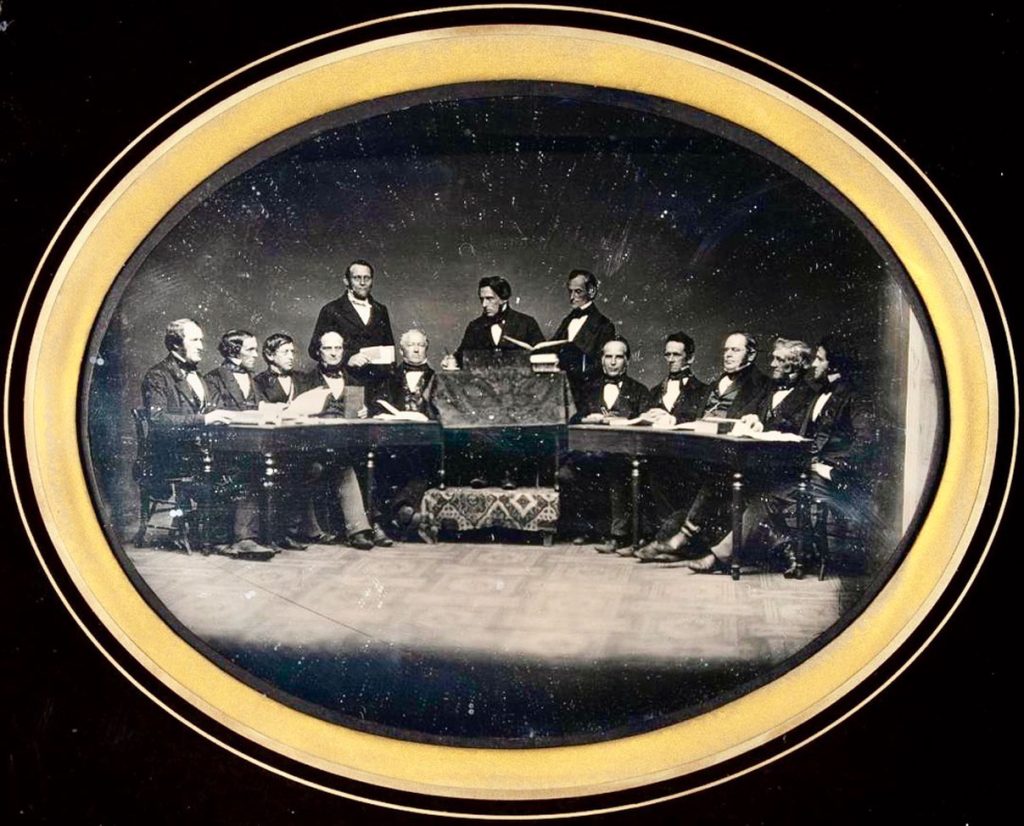
Strolling through Boston Common with fellow legislators Henry Wilson and Nathaniel
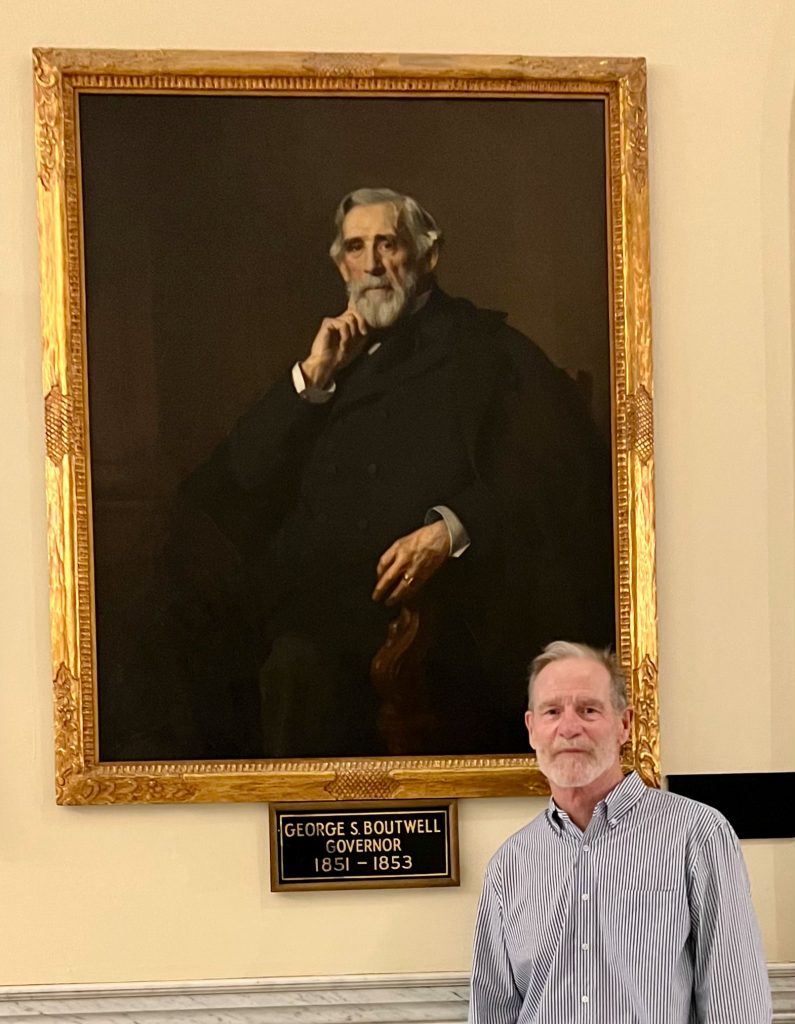
Banks, Boutwell was just beginning a campaign that would see him become the youngest-ever governor of Massachusetts. Serving two terms, from 1851 to 1853, the governorship helped launch a national career that included working closely with presidents Abraham Lincoln and Ulysses S. Grant, serving in both the U.S. House and Senate, and finishing his 60-year career in public life as head of the Anti-Imperialist League opposing Teddy Roosevelt and American annexation and military occupation of the Philippines.
Not that George Boutwell had an easy time of it as governor. The country in the 1850s was experiencing the national split over slavery that would lead to the Civil War in 1861. As
governor, George Boutwell had only limited authority over such incendiary issues as the
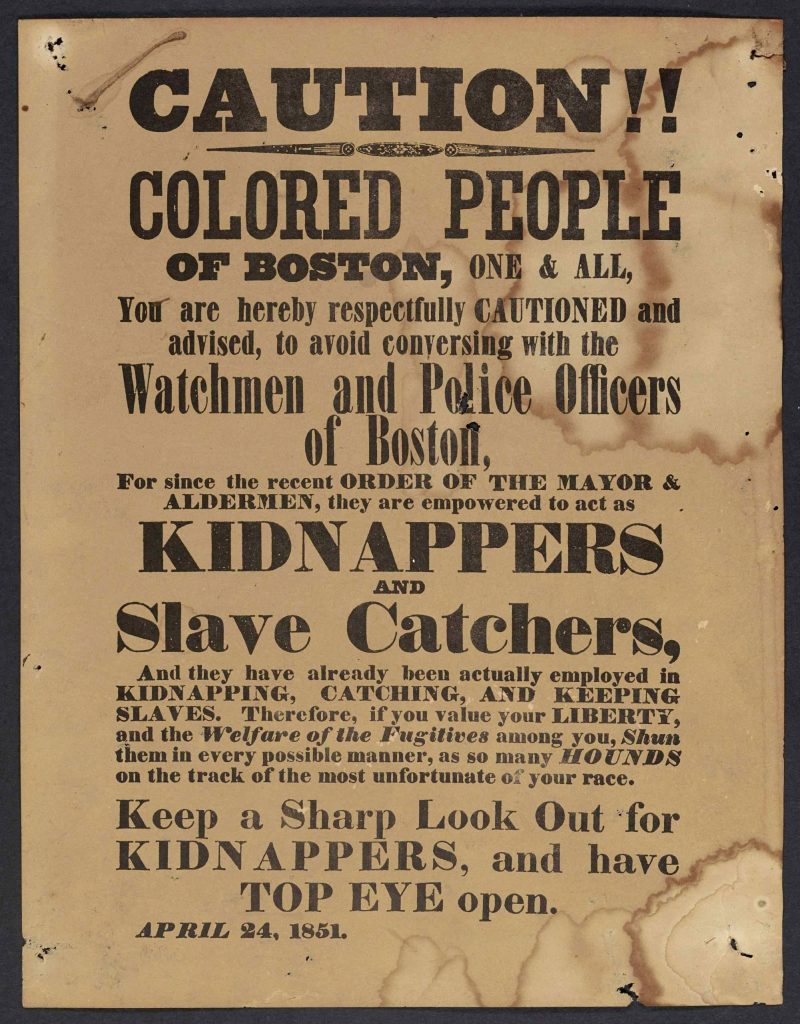
detested Fugitive Slave Act, which allowed federal officials to detain even free black Americans on the suspicion that they might be seeking to escape from southern slavery.
Even though he was stridently anti-slavery, George could only watch in dismay as US
federal Marshals apprehended suspected black “fugitives” and U.S. Marines took them to ships waiting in Boston harbor to return them to their “masters” in the deep South. One such scene after George was governor was immortalized by John Greenleaf Whittier in his poem, “The Rendition,” with the arrested black man, Anthony Burns, portrayed as “Liberty marched
handcuffed down that sworded street.”
Other contentious issues that George dealt with as governor led to friction with the Harvard-educated, Brahmin elite of Boston. Having grown up on his family’s farm in Lunenburg,
Mass., before moving to Groton in 1835, George was largely self-educated and never had a
chance to attend high school, much less college. As Governor, he supported working man’s
issues such as the ten-hour workday, utilizing a secret ballot in voting (so mill owners couldn’t intimidate their workers at the polls), and expanded access to public education. George also called for more public oversight of Harvard College, which had been granted a public charter when it was first founded in 1636.
When he stepped down as governor in 1853, George could no longer stomach the
national Democratic Party’s support for slavery. In the coming years, Boutwell would play a prominent role in establishing the anti-slavery Republican Party and would attend the famous 1860 party convention in Chicago that nominated Abraham Lincoln, meeting the presidential nominee for the first time shortly thereafter at the Lincoln home in Springfield, Illinois.
Following the outbreak of the Civil War April 1861, Boutwell worked closely with Lincoln
to provide troops and supplies from Massachusetts for the Union war effort. Then, in 1862,
Lincoln selected George, with his fiscal experience as Massachusetts governor, to become the country’s first ever Commissioner of Revenue, in charge of the all-important task of raising the money needed to defeat the southern states in rebellion.
From that walk down the State House steps in 1850 to working closely with Abraham
Lincoln during the Civil War, George Boutwell was well started on an illustrious career that
included helping write the 14th and 15th amendments to the U.S. Constitution, managing the nation’s finances as President Ulysses S. Grant’s Treasury Secretary, and working closely with Mark Twain and others to warn of the dangers of American imperialism abroad.